

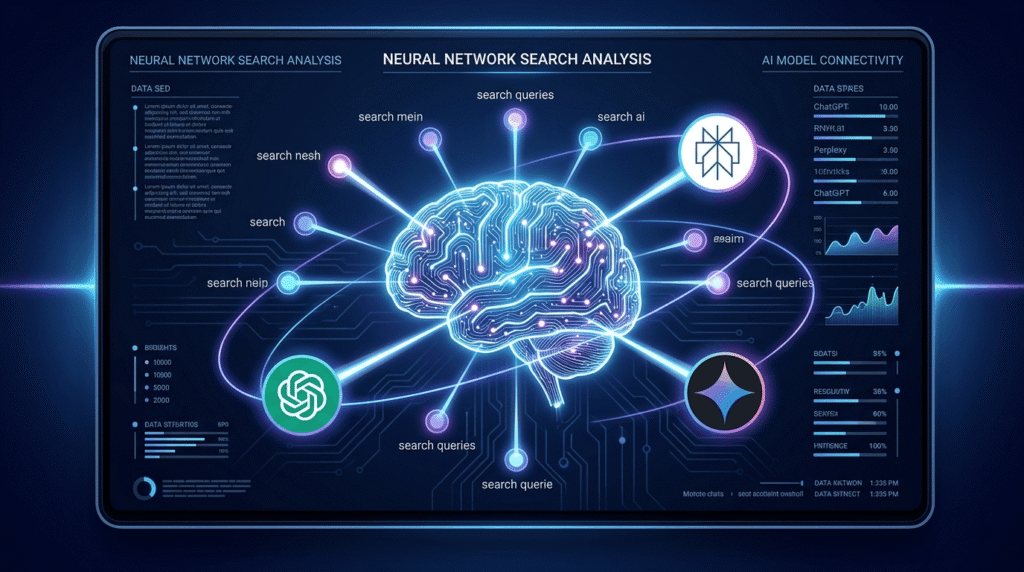
Quick Answer Box: Generative Engine Optimisation (GEO) is the practice of preparing brands and content for AI-powered search platforms like ChatGPT, Perplexity, and Gemini. UK agencies should act fast to secure AI citations by 2026, ensuring their clients’ visibility and trust in generative engine results.
What is Generative Engine Optimisation (GEO)?
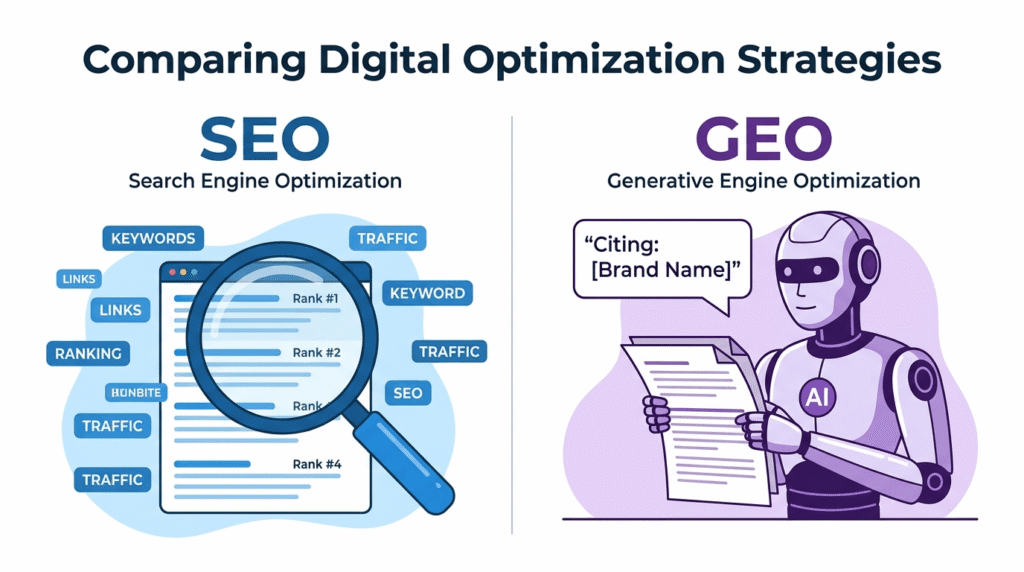
Generative Engine Optimisation (GEO) is the process of preparing your website and content to become a trusted reference for AI-powered search platforms, such as ChatGPT, Perplexity, and Gemini. Unlike traditional SEO, which focuses on keyword rankings in search engine results pages (SERPs), GEO aims to position your brand as a source cited directly in AI-generated answers, making your expertise visible when users engage with generative engines instead of conventional search engines.
Why GEO Matters in 2026: AI Search and the New Paradigm
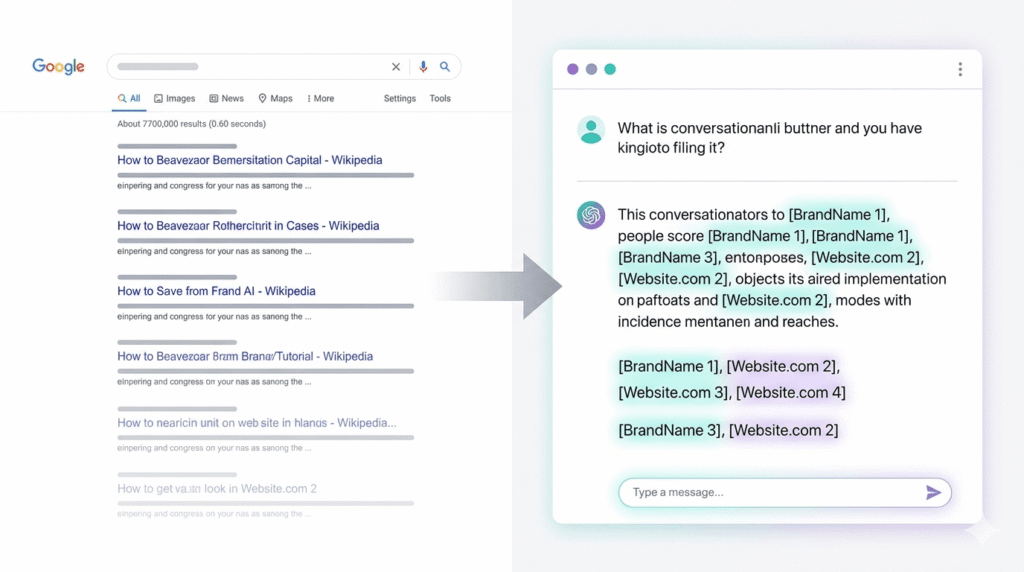
AI-powered search platforms are rapidly redefining how information is discovered online. As large language models (LLMs) become the primary reference for search queries, agencies face both new opportunities and risks. The ‘search generative experience’ is replacing the classic list of links with holistic, conversational answers drawing from thousands of web sources.
For UK agencies, this shift means that failure to adopt Generative Engine Optimisation (GEO) could result in invisibility as LLMs favor entities that are well-structured and frequently cited. Getting your clients cited as trusted references means adapting your content strategy now, well before 2026. Many UK brands are updating their technical infrastructure and content guidelines to address GEO, ensuring continued discovery and engagement.
Impact of AI Citation on Brand Authority
AI models aggregate knowledge from millions of data points. If your content is not structured for ai citation, you risk being overlooked by answer engines, even if you previously dominated organic search. GEO ensures your expertise and brand identity are acknowledged by generative models, which is critical as more consumers trust AI intermediaries for recommendations.
Understanding the Key Differences
Traditional Search Engine Optimisation (SEO) optimises for algorithms like Google or Bing, aiming for higher rankings on results pages. Generative Engine Optimisation (GEO) focuses on impressing generative AI engines—making your content discoverable, verifiable, and easily referenceable for language models.
| Feature | SEO | GEO |
|---|---|---|
| Objective | Rank web pages on SERPs | Secure AI citations in generative answers |
| User Intention | Navigational, transactional | Conversational, exploratory |
| Reference Model | Search engine spiders | AI/LLM reference extraction |
| Key Tactics | Keywords, backlinks, metadata | Structured data for AI, credibility signals |
| Outcome | Clicks to site from link | Answers featuring your brand or content |
How to Optimise for Generative AI Search
- Audit Your Existing Content for Reference-ability
Identify which of your web pages, articles, and assets are likely to be referenced by AI models. Use platforms like Perplexity to see how your current content is surfaced. - Integrate Structured Data for AI
Implement schema.org markup and other structured data formats. This facilitates accurate ingestion and citation by generative engines, making your information machine-readable. - Validate Data Accuracy and Up-to-Date Evidence
AI models rely on factual correctness. Regularly update references, statistics, and authoritative claims to ensure your information remains among the most trusted. - Infuse Authoritative Signals and Sources
Build author profiles, secure expert quotes, and cite trustworthy external resources like OpenAI or government agencies. This boosts your content’s weight in generative engine responses. - Monitor LLM Optimisation Feedback Loops
Review mentions and citations surfaced in tools like ChatGPT, Gemini, and Perplexity to understand what aspects of your content are being referenced. - Establish a Human-in-the-Loop Review Process
GEO is not a one-time technical change. Involve editors and experts to vet outputs, ensuring that content remains relevant and correct as AI updates its data sources. - Tailor for UK Context and Localisation
AI search optimisation must reflect local language, regulations, and industry culture—critical for UK agencies seeking to differentiate from US and global competitors.
Ensuring Inclusion on Leading AI Platforms

Perplexity has quickly become one of the major generative engines influencing how content is surfaced in AI-powered search. Achieving high visibility requires active perplexity optimization. This involves not only structured data implementation but also maintaining a regular cadence of updates and monitoring how Perplexity’s models ingest and cite web content.
Agencies are encouraged to use Perplexity to test how their content appears in AI-generated answers, identify gaps in citations, and benchmark their content against leading competitors. Ensuring your digital assets rank within Perplexity increases your authority across the broader ecosystem of LLMs.
The Foundation of GEO
Structured data for AI is not just an SEO best practice—it is the backbone of Generative Engine Optimisation (GEO). Using structured markup like schema.org, UK agencies can communicate key facts about their brand, services, and expertise directly to AI models. Proper implementation can result in direct source mentions, rich answer snippets, and improved discoverability for both human and AI users.

Preparing for Large Language Model Integration
LLMs are now central to the digital search experience. LLM optimisation involves more than keyword targeting—it means crafting content with clearly attributed claims, granular fact statements, and linkable references so that AI models adopt your site as a citation source.
For UK agencies, this could involve conducting regular audits with tools like ChatGPT’s plugin ecosystem, ensuring data accuracy, and making necessary updates to site architecture and content. Collaborate with technical experts from your development or MVP teams to maintain optimum website performance and accessibility for LLM crawling.
What Works in the Age of Generative Engines
Content for generative engines should focus on depth, clarity, and authority. While traditional blog posts may succeed in driving organic clicks, GEO content must answer relevant questions in a structured, credible fashion to increase likelihood of citation by AIs.
Human-in-the-Loop: Ensuring Ongoing Quality in GEO
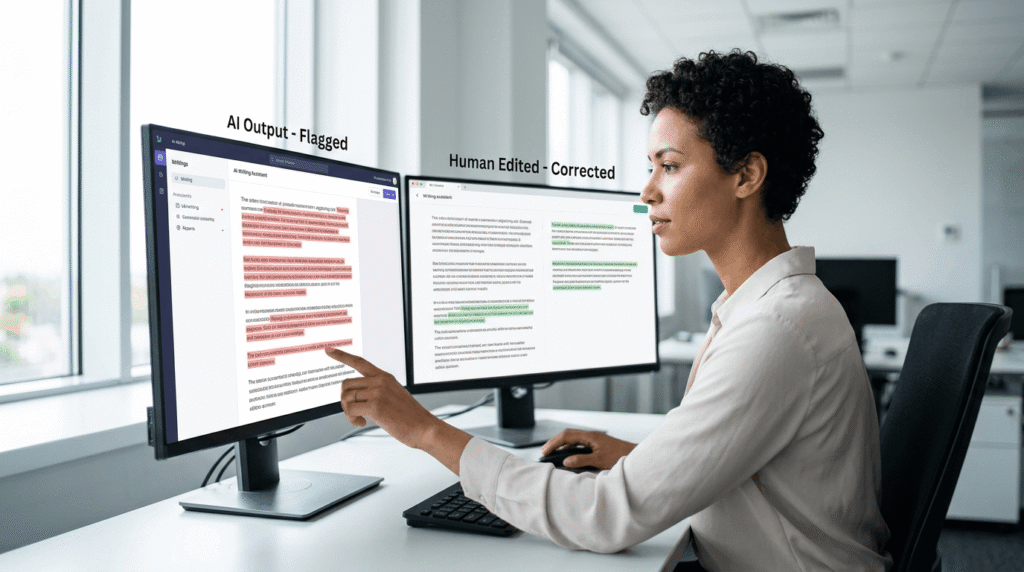
The rise of generative engines makes human-in-the-loop review indispensable. Factual errors, bias, or outdated information can easily slip into AI responses. UK agencies should employ qualified editors to maintain the quality and trustworthiness of every content update, blending technological innovation with the human touch to ensure optimal AI search optimisation.
Building AI Citation Authority: Reputation, Trust, and Transparency
Gaining brand citations in AI-generated answers demands more than technical SEO. Agencies must build visible credibility and transparent practices. This can include featuring client testimonials, listing team credentials, or supporting claims with references to reputable sources such as Google’s Search Generative Experience or government publications.
Agencies should showcase prominent case studies, such as Prompt Generator AI or High-Converting Website for RevSquared AI, to highlight expertise and drive trust with both AI engines and potential clients. Real-world examples strengthen your agency’s AI citation authority, giving you a competitive edge.
GEO vs SEO
Adapting from SEO to GEO is not always straightforward. It requires understanding the nuances of answer engine optimization—a core element of future-ready digital marketing. UK agencies must combine classic technical SEO skills with new practices targeting generative AI and the search generative experience.
Collaboration Between Design, Development, and Strategy
A successful Generative Engine Optimisation (GEO) program blends cross-functional teams. Collaboration between Design, Development, and content strategy is essential. From creating visually structured, machine-readable layouts to crafting expert-driven copy, every agency function must contribute to GEO success.

GEO also encourages agile workflows—regularly reviewing new AI guidelines, updating schema, and integrating updates suggested by the human-in-the-loop review process. This ensures agencies stay ahead as generative engines evolve and new AI-powered search opportunities emerge.
AI Search Optimisation as an Ongoing Process
AI search optimisation doesn’t end after the first round of improvements. Continually assess your performance in generative engine outputs, adapt to new models, and remain proactive with structured data updates. UK agencies that treat GEO as a living process, not a static tactic, will reap the rewards in brand visibility and client trust.
Frequently Asked Questions
1. What is Generative Engine Optimisation (GEO) and how is it different from SEO?
Generative Engine Optimisation (GEO) is the preparation of content and technical signals for AI-powered search platforms, ensuring brands are cited in AI-generated answers. While SEO focuses on improving rankings on search engine results pages, GEO aims at securing authoritative mentions and citations by large language models, making the brand visible in conversational search experiences.
2. Why is GEO critical for UK agencies in 2026?
GEO will define which brands appear in AI-generated results. UK agencies must update their digital strategies to secure client visibility as generative models become mainstream in 2026. Adapting early provides a competitive advantage and builds essential credibility with AI-powered platforms.
3. How can agencies start with perplexity optimization?
To begin with perplexity optimization, agencies should analyze how their content appears in Perplexity’s answers, implement detailed structured data, and keep information regularly updated. Monitoring citation patterns and testing various topics can provide insights into what Perplexity and other AI engines find most reference-worthy.
4. What role does human-in-the-loop play in GEO?
Human-in-the-loop ensures the ongoing relevance, factual accuracy, and trustworthiness of agency content. Agencies employ editors and industry specialists to audit outputs, identify errors, and adapt to evolving AI guidelines—helping maintain authority and avoid reputational risks from outdated or incorrect information.
5. How do answer engine optimization and ai citation improve brand recognition?
Answer engine optimization and ai citation increase the likelihood that brands will be directly referenced in generative engine answers. This elevates authority in both AI and human searches, leading to stronger recognition, trust, and ultimately more conversions for agencies and their clients.
Conclusion
Generative Engine Optimisation (GEO) is reshaping how UK agencies approach digital visibility as AI-powered search becomes standard by 2026. By embracing structured data for AI, prioritizing ai citation, and implementing answer engine optimization practices, agencies can secure their brand’s place in the generative search era. Those who prioritise GEO today will lead tomorrow’s digital landscape.