


Quick Answer Box: The most common signs your business website needs a complete redesign include outdated design, slow page speed, high bounce rates, and poor mobile-friendliness. These website performance issues can reduce conversions and trust, making your company appear less credible. A comprehensive redesign improves structure, speed, branding, and user experience for lasting business success.
What is a Website Redesign?
A website redesign is a strategic process that transforms your business website’s visual style, website architecture, and features to align with current user needs and business objectives. Unlike minor updates, a website redesign typically covers new layouts, mobile optimization, improved page speed, enhanced navigation, refreshed branding, and broader technical upgrades for stronger performance.
Website Redesign vs. Website Overhaul: What’s the Difference?
A website redesign focuses on updating the visual appearance, structure, and user experience of your existing website, usually keeping the core platform and much of the original content. In comparison, a website overhaul is far more extensive. It involves rebuilding the site’s architecture from scratch, migrating technology or databases, and realigning content to meet big changes in your company’s direction. Overhauls often follow major performance failures, a pivot in business goals, or when smaller redesigns can’t fix key problems. Most overhauls require new technology, branding, or a switch to a new content management system.
What Are the Key Signs Your Business Website Needs a Complete Redesign?
Spotting the warning signs that your business website needs a complete redesign can help you protect your reputation and increase leads in a competitive market. Here are the top indicators, supported by industry data.
Outdated Design and Layout Issues
An outdated design is one of the primary signals your site needs a redesign. If your website looks old, uses legacy branding, or features awkward layout issues, you may be driving potential customers away. Studies from Stanford Web Credibility Research show 75% of users judge a company’s credibility by its website design, while ResearchGate reports that 94% of first impressions are design-related. Outdated fonts, broken elements, dull colors, and layouts that look a decade old send a negative message. If you hesitate to share your site, it’s time for a website redesign.
Is Your Site a Mobile Friendly Website?
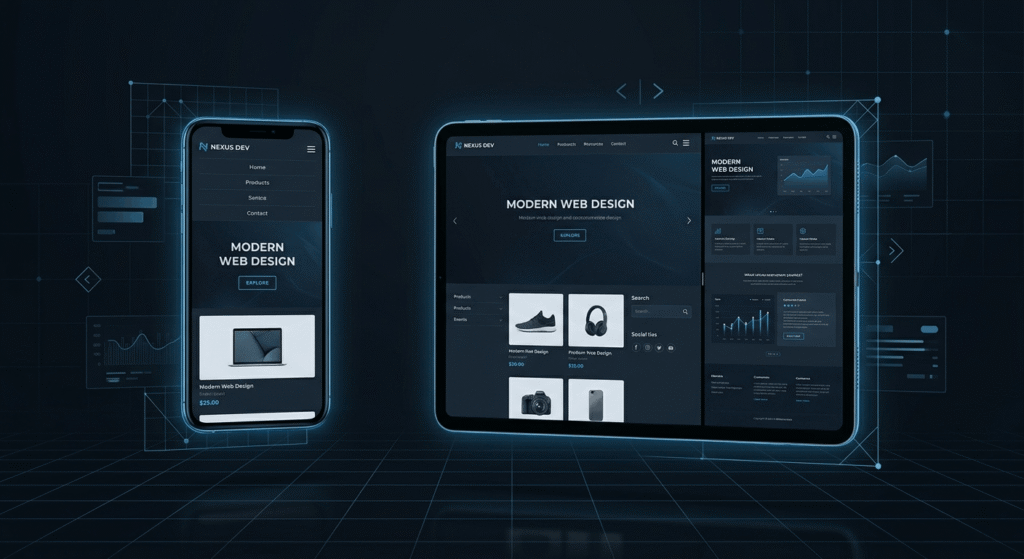
More than 60% of web traffic now comes from mobile devices. A mobile friendly website adapts seamlessly across screens and devices, offering a smooth user experience. If your site forces users to zoom, scroll horizontally, or squint at tiny text, these are red flags. According to Hostinger’s 2026 web design survey, 53.8% of businesses redesigned because their site struggled with mobile optimization. Also, Google prioritizes mobile-first indexing, so not being responsive can hurt search rankings and conversions.
Website Performance Issues: Is Your Page Speed Hurting Results?
Page speed critically impacts retention and conversions. Over 53% of visitors leave sites that take over three seconds to load, according to Google (Hostinger). Each extra second causes a 7% drop in conversions. If your website performance issues stem from outdated code, unoptimized images, or poor hosting, your website bounce rate will be high and your results will suffer. Regularly check your site speed using Google PageSpeed Insights, but for persistent slowdowns, a complete redesign is often necessary.
Addressing Site Speed and Structure
Unoptimized plugins, bloated themes, and legacy platforms can all slow you down. Streamlining your technology stack during a redesign improves site speed and reliability. Consider linking with specialists such as website development services for a performance-driven rebuild.
Does Your Website Suffer from Poor Structure or Confusing Navigation?
If visitors cannot find important information within a few clicks, your website has poor structure and navigation. Signs of confusing navigation include hidden menus, crowded layouts, broken links, or unclear paths to key pages. A logical website architecture keeps users engaged and improves conversion rates, as noted by Forbes. Monitor analytics for signals like a high website bounce rate, short sessions, or user complaints about navigation. Improving navigation should be a priority in your next website redesign.
Website Doesn’t Reflect Your Current Brand or Business
Is your website displaying outdated services, old employees, or an obsolete logo? If so, your web presence no longer matches your brand, products, or business goals. As your organization grows perhaps by launching new offerings or expanding teams—your site must accurately reflect this evolution. Leaving old information live can confuse or repel prospects, indicating a need for a full website overhaul.
Common triggers include a recent rebrand, major service pivots, or falling behind competitor websites featuring more modern branding and features.
FAQs
1. How often should a business website be redesigned?
Experts at Forbes and Tinyfrog Technologies advise redesigning your website every 3–5 years. Fast-paced sectors such as SaaS, e-commerce, and startups may require updates even sooner, particularly if your competitors frequently refresh branding or introduce new features.
2. What’s the average cost of a full website overhaul?
The average cost for a comprehensive website overhaul typically ranges from $20,000 to $75,000, depending on complexity and requirements (GoodFirms via VWO). Key price factors include the quantity of page templates needed, custom features, the scope of content migration, and whether you’re changing platforms or adding e-commerce functionality.
3. What are the essential features of a modern business website?
Every modern business website should include:
- Mobile optimization and loads that are under 3 seconds
- Clear website architecture and simple navigation
- Updated branding, visuals, and consistent messaging
- Secure HTTPS/SSL and privacy compliance
- Accessible design meeting Web Content Accessibility Guidelines (WCAG)
- Integrated analytics and actionable insights
4. Will a website redesign affect my current SEO rankings?
A website redesign can impact your SEO rankings if not handled carefully. It’s essential to maintain proper redirects, preserve valuable content, and update your XML sitemap. Involving SEO expertise during the redesign process can help protect and even improve your search presence. Reviewing your site’s keyword usage and link structure is crucial to avoid drops in visibility after launch.
5. How long does a typical website redesign project take?
The timeline for a website redesign project depends on scope and complexity. On average, a small business site redesign takes 2–3 months, while a larger website overhaul can extend to 4–6 months or more. Factors such as content migration, custom feature development, and stakeholder approvals play a significant role in the timeline. Working with experienced professionals, like the Development or Design teams at Digital Prowler, can streamline the process.

Conclusion
Recognizing the signs your business website needs a complete redesign including outdated design, confusing navigation, poor structure, low site speed, and high bounce rates is essential for business growth and credibility. Investing in a mobile friendly website with strong architecture and fast performance will help your business stay competitive and trustworthy in today’s digital marketplace.